Crimestoppers
 Fearless - our youth service
Violence against women & girls in football culture: abuse is not part of the game

Agniete Dada, Business Coordinator, Imabi, shares her World Cup insights:
Now the 2026 FIFA World Cup is under way, concerns are being raised about a less visible impact of major football tournaments: a rise in domestic abuse and violence against women and girls (VAWG).
While global events like the World Cup are celebrated for bringing communities together, research and policing data suggest they can also coincide with increased risk of abuse. Factors such as alcohol consumption, heightened emotions and match-day tensions are known to contribute to escalations in harmful behaviour.
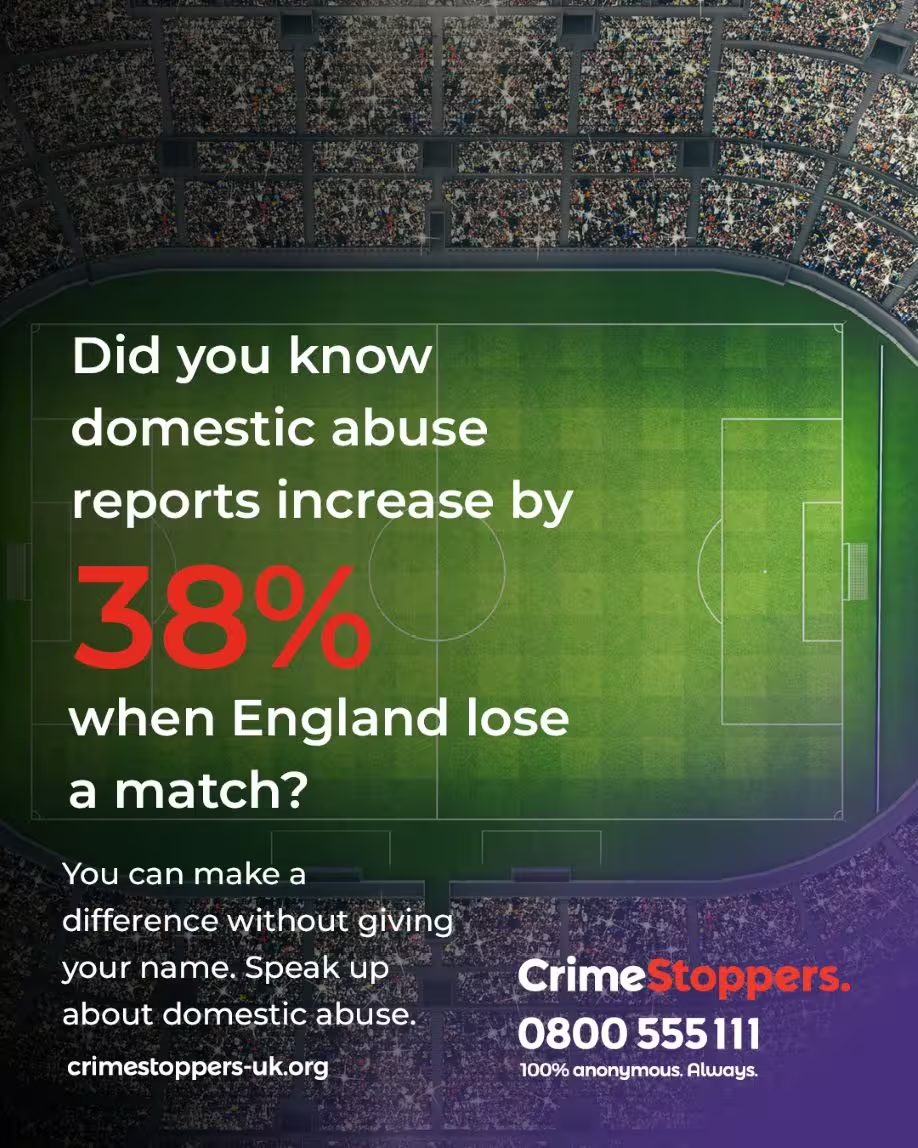
In England, for example, a study from the National Centre for Domestic Abuse has shown that domestic abuse incidents rise by around 11% following national team matches - and when England lose a match, they rise by 38%.
Experts emphasise that this trend does not reflect football itself, but the social conditions that often surround major fixtures - late nights, crowded venues, and emotional highs and lows - which can trigger or intensify existing abusive relationships.
The issue is set against a broader national picture: an estimated 2.3 million people in England and Wales experienced domestic abuse in the year ending March 2024, with women disproportionately affected.
Preparation is key
Safety organisations have been urging businesses, local authorities and communities to prepare for the World Cup in advance. They stress the importance of recognising tournaments not just as sporting occasions, but as key moments for public safety and safeguarding. As an example, this article shows how UK police forces have been preparing.
Campaigners are calling for better awareness in public spaces such as pubs, fan zones and transport networks, where signs of distress or harassment may be more likely to appear. They also highlight the need for clear reporting routes and support systems, particularly for those who may feel unable to seek help openly.
Imabi is a proud partner of Crimestoppers, empowering people across the UK to speak up about crime anonymously and making safeguarding more accessible. Crimestoppers' anonymous reporting function is available across imabi’s suite of safeguarding apps, which helps to keep people safe in their communities, educational settings and workplaces, and can be particularly important when someone is worried about speaking up, fears repercussions, or does not know where to turn.
Crimestoppers’ latest campaign, ‘Let’s call time on abuse’, highlights the risk of domestic abuse during the 2026 World Cup and shows how to spot the warning signs that someone might be experiencing domestic abuse.
12 June 2026